Book of Tobit Summary: God Sees in the Exile

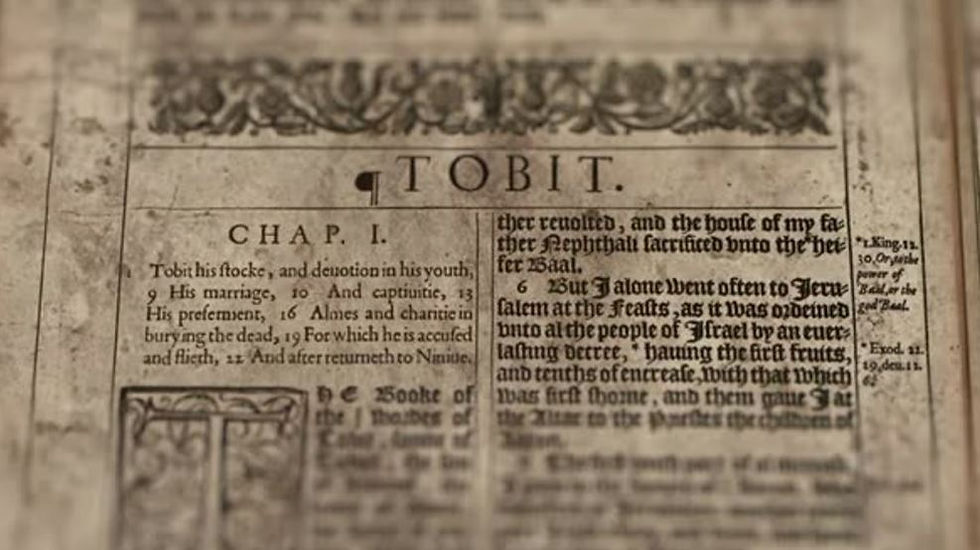
Book of Tobit Summary: God Sees in the Exile
Tobit is the story of a righteous man blinded in exile, a woman oppressed by grief, and a hidden angel on a mission from God. Set in the Assyrian diaspora after the fall of the northern kingdom of Israel, it follows two parallel paths of suffering that divinely intersect through healing, deliverance, and restoration. This is one of the most accessible and heartwarming books in the Bible—part travel story, part spiritual allegory, and deeply messianic at its core.
For those unfamiliar with this book, it’s often wrongly labeled “Apocrypha” in Protestant Bibles. But for over 1,800 years, Tobit was always considered Scripture by the early Church.
A Note for Protestant Readers: Why Tobit Belongs in the Bible
For centuries, Tobit was read as part of the Old Testament canon by Christians all over the world. It wasn’t removed until modern times due to late Protestant editing. Here's why it matters:
1. The Bible of the Early Church Included It
Tobit is found in the Septuagint, the Greek Old Testament quoted by Jesus and the apostles. The early Church—including Church Fathers like Augustine—considered it Scripture.
2. It Was in All Christian Bibles for 1,800 Years
Tobit was included in the Latin Vulgate, Codex Sinaiticus, Codex Vaticanus, the Ethiopian Canon, and even the original King James Bible of 1611.
3. The Book Is Quoted and Alluded to in the New Testament
Tobit 4:15 says, “Do to no one what you yourself dislike,” closely mirroring Matthew 7:12.
Angelic appearances and spiritual warfare (as seen in Tobit 3 and 8) resemble Hebrews 13:2 and Ephesians 6.
The doctrine of righteous suffering, prayer, fasting, and almsgiving are echoed in Matthew 6.
In Matthew 22:25–28, the Sadducees pose a hypothetical about a woman who marries seven brothers—mirroring Sarah in Tobit, who lost seven husbands to death. This parallel suggests the book’s narrative was known and influential in Second Temple Judaism, even informing public theological debate during Jesus’ ministry.
So, instead of asking why it’s included, ask: Why was it removed?
Etymology
The name Tobit (טוֹבִי – Tovi) comes from the Hebrew root טוֹב (tov), meaning good. “Tobit” likely means “My Goodness” or “God is Good.” His son’s name, Tobias, is the Greek rendering of Toviyyah, meaning “The Lord is Good.”
Chapter Movements
Chapters 1–2: Righteous in Exile, Blinded in Obedience
Tobit is a devout Israelite living in Nineveh. He buries the dead against the king’s command, and is blinded by bird droppings while resting. Despite his suffering, he remains faithful and prays for death.
“What kind of reward did I get for doing good? I am blind and cannot see.” (Tobit 2:14, NLT)
Chapter 3: Two Prayers, One Answer
Meanwhile, Sarah, a woman in Media, is tormented by a demon that kills her suitors on their wedding nights. She too prays for death. God hears both prayers and sends the angel Raphael.
Chapter 4: The Father’s Instructions
Tobit sends Tobias on a journey to collect money owed to him. He gives fatherly wisdom, emphasizing almsgiving, humility, and purity.
“Give to those in need, and don’t be reluctant to do so. Then your treasure will be stored up in heaven.” (Tobit 4:7–9, NLT)
Chapters 5–6: Raphael Joins the Journey
The angel Raphael (disguised as a man) guides Tobias on the road, revealing God’s hand through ordinary means. Tobias catches a fish whose organs will later serve as divine tools.
Chapters 7–8: Marriage and Deliverance
Tobias marries Sarah. On their wedding night, he uses the fish's liver and heart to drive away the demon. They pray together—setting an example of spiritual unity in marriage.
“You made Adam and gave him Eve... Now I take this wife, not because of lust, but to love her.” (Tobit 8:6–7, NLT)
The Only Full Wedding Ceremony in the Bible
Tobit 7–8 records the only complete wedding ceremony described in the entire Bible. Unlike the brief, passing references to marriage in other parts of Scripture, this account includes the formal giving away of the bride, prayers of blessing, and the covenantal nature of marriage grounded in God’s design. Tobias and Sarah pray together, not for lust or pleasure, but that their union would be established in righteousness, echoing the very purpose for which God created Eve for Adam (Tobit 8:6–7).
This moment stands out not just for its beauty but also for its spiritual richness—offering a model of prayerful, God-centered union.
Referenced in the New Testament
The account is indirectly referenced by Jesus in a challenge posed by the Sadducees. In Matthew 22:23–28, they ask Jesus about a woman who had seven husbands—each dying before her, leaving no offspring. This unusual scenario clearly echoes Tobit, where Sarah had seven husbands who died before consummation. Jesus doesn’t refute the premise, indicating familiarity with the story. Instead, He uses it to teach about the resurrection, highlighting that earthly marriage doesn't persist in the age to come.
This connection demonstrates that even in Jesus' day, stories like Tobit’s were known and accepted—further evidence of the book’s early authority.
Chapters 9–11: Healing and Return
Tobias returns with his new wife and uses the fish’s gall to heal his father’s blindness.
“Tobit’s sight was restored. He began to weep, and he praised God.” (Tobit 11:13–14, NLT)
Chapters 12–14: The Angel Revealed and Final Instructions
Raphael reveals his identity, calls them to worship God, and returns to heaven. Tobit dies after giving his final words of wisdom to his son.
“I am Raphael, one of the seven angels who stands in the presence of the Lord.” (Tobit 12:15, NLT)
Conclusion and Bridge to Jesus
Tobit is a gospel story disguised as an Old Testament travelogue. It is about righteous suffering, unseen warfare, faithfulness in exile, and healing that comes through obedience. The silent thread running through the book is God's mercy—His ability to see, to hear, and to send help even when He seems far.
Tobias is not the hero—God is. Through the angel Raphael (meaning “God heals”), we glimpse what God is always doing: guiding, delivering, and restoring His people. This foreshadows the ultimate Deliverer yet to come.
How It Points to Jesus
God Sends a Helper
Just as God sent Raphael to deliver and heal, so He sends Jesus, the true Redeemer.
Healing Through Obedience
The healing of Tobit’s eyes parallels how Jesus gave sight to the blind—literally and spiritually (John 9).
Prayer, Fasting, and Almsgiving
The core practices in Tobit are the very things Jesus affirms in Matthew 6—but warns against doing them for show.
Marriage in Purity
Tobias and Sarah’s prayerful marriage anticipates the Bride of Christ—a relationship rooted in reverence and covenant, not selfish desire (Ephesians 5:25–27).
An Angel's Message
Raphael's closing command—“Give praise to God. Tell the world what He has done”—is echoed by Jesus in the Great Commission.
Application
God sees your faithfulness in exile. Even when it feels like obedience only brings suffering, God is still working.
Angels may be more active than we realize. Keep your eyes open to the ways God sends help.
Pray, fast, and give—not for reward, but because it reflects the heart of God.
Honor purity. Whether in singleness or marriage, reverence for God shapes every relationship.
Pass on the faith. Just like Tobit instructed his son, we must disciple the next generation.


